

A standard buy-to-let is simpler, but an HMO nearly always produces a higher yield on the same bricks. That single fact shapes the entire debate — and which strategy wins for you depends almost entirely on how much complexity you are willing to manage in exchange for that extra return.
HMOs Win on Yield — But the Numbers Are Brutally Honest
A standard buy-to-let in a regional city might achieve a gross yield of 5–7%. Let the same square footage as a five-bedroom HMO with individual tenancies and you are looking at gross yields of 10–15% in comparable markets. The arithmetic is straightforward: multiple rent streams from a single asset. If three tenants leave one room empty, four are still paying.
That void protection is real. With a single-tenancy BTL, one exit and your income drops to zero. With an HMO, partial voids are the norm and full voids are rare. Lenders recognise this: specialist HMO lenders will stress-test rental income at 125% of the mortgage payment assuming only 70–75% occupancy, not 100%.
The honest caveat: gross yield is not net yield. HMOs carry higher running costs — utilities (often bills-included), regular redecoration, more wear and tear, and mandatory licensing fees. Factor in a 20–25% management fee if you use a specialist HMO letting agent, versus 10–12% for a single-let agent, and the net yield gap narrows. It rarely reverses, but the raw headline number overstates the advantage.
BTL Is Lower Risk if Your Capital Is Limited or Your Time Is Constrained

Entry costs for a standard buy-to-let are materially lower. A two-bedroom flat needing no refurbishment, bought with a 25% deposit and a competitive mortgage, can be operational within weeks of completion. Licensing requirements are minimal for most standard lets. The tenant profile is typically a couple or a small family — lower turnover, longer tenancies, fewer maintenance calls.
An HMO demands more capital upfront. Conversion works, room-by-room furnishing, fire doors, interlinked smoke alarms, thumb-turn locks, and compliance with the Management of Houses in Multiple Occupation Regulations all add cost before you collect a single pound. Article 4 Directions in many UK councils mean you cannot simply convert a family home into an HMO without planning permission — a process that can take four to six months and still be refused.
If your pot is £60,000–£80,000, a single BTL gives you a workable asset with a manageable mortgage. Spreading that same sum across an HMO conversion that hits planning problems could leave you overexposed and illiquid. Capital preservation matters, especially early in a portfolio.
For buy-to-let mortgages, lenders will typically require a minimum 20–25% deposit on a standard single-let, while HMO-specific products usually demand 25–30% — and only a subset of lenders will touch licensed HMOs at all, making specialist broker access important from the outset.
HMO Licensing and Regulation Demand a Different Mindset
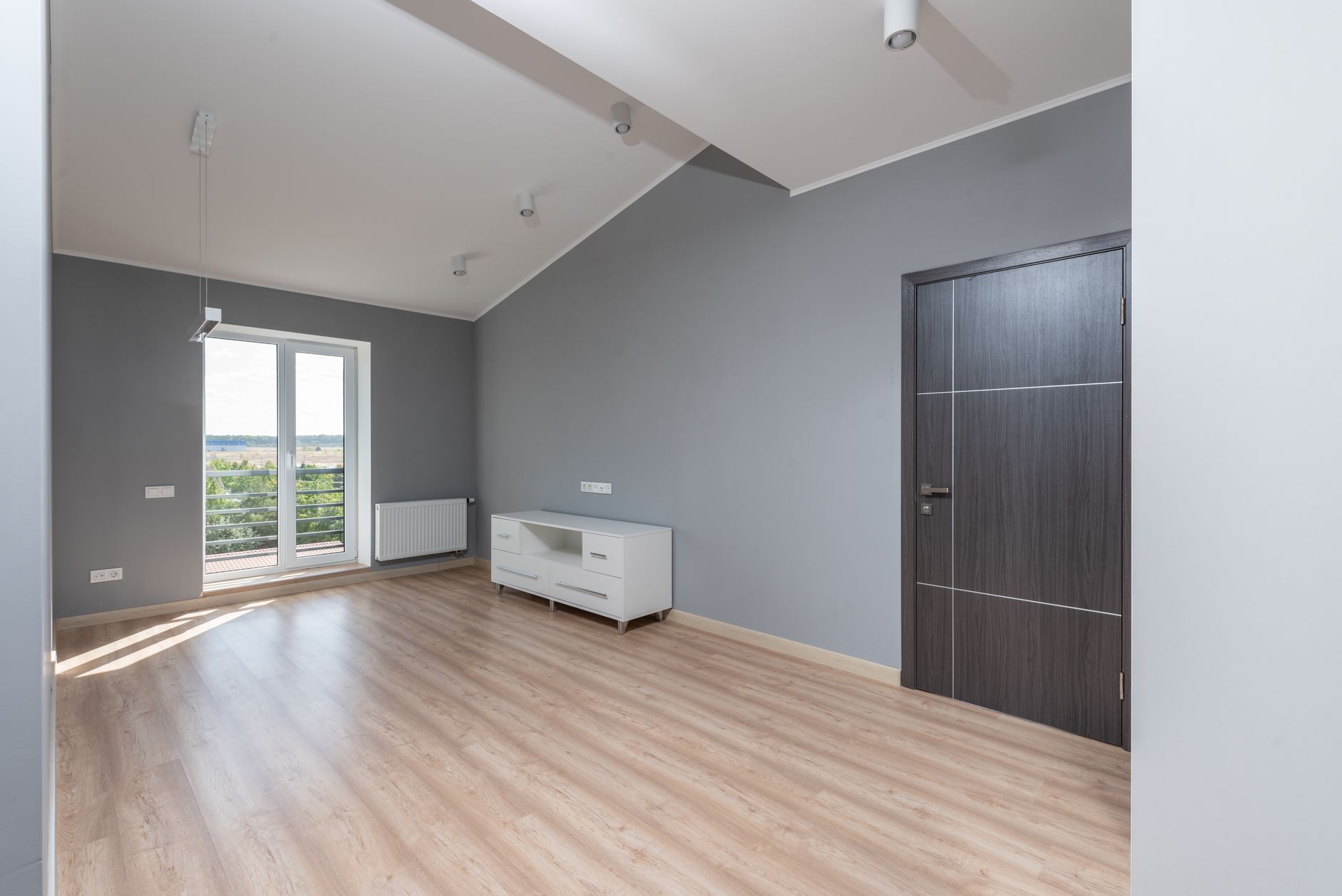
Any property rented to five or more people from two or more separate households in England requires a mandatory HMO licence from the local authority. Many councils have extended licensing schemes that catch smaller properties — sometimes three or four tenants. Licences run for up to five years, carry application fees of £300–£1,500 depending on the council, and come with conditions: minimum room sizes (6.51 m² for adults sleeping in a room), kitchen facilities, adequate bathroom provision, and an ongoing duty to manage the property to prescribed standards.
Breach those conditions and a council can issue a Civil Penalty of up to £30,000 per offence or pursue a Rent Repayment Order through the First-tier Tribunal, forcing you to return up to 12 months of rent. This is not a theoretical risk — enforcement has increased sharply since 2017.
A standard BTL landlord needs an EPC (minimum E, rising to C under proposed reforms), a Gas Safety Certificate, an Electrical Installation Condition Report, and to protect the deposit correctly. Significant obligations, but a known and stable framework. The HMO regulatory burden is not a reason to avoid them — many professional landlords run portfolios of 10–20 licensed HMOs profitably — but it demands that you treat the investment as a business, not a passive one.
The Strongest Counter-Argument: HMOs Are Not Just for Experienced Investors
The conventional wisdom says start with one BTL, learn the ropes, then progress to HMOs. That logic is reasonable, but not universal. A first-time landlord who buys in an Article 4 area without understanding the planning regime will struggle regardless of experience. Equally, a motivated buyer who invests in proper due diligence, appoints a specialist HMO management company from day one, and chooses the right lender can run a licensed HMO competently from their first purchase.
The real variable is not experience — it is preparation. An HMO bought in full knowledge of the licensing requirements, conversion costs, and local demand profile carries no more hidden risk than a BTL bought without understanding service charge escalation on a leasehold flat. Ignorance is the risk, not the strategy.
That said, the complexity is genuinely higher. If you are managing a BTL yourself from overseas, an HMO without a professional management company in place is an unrealistic proposition. Honest self-assessment on time and location matters as much as financial modelling.
The Verdict: Match the Strategy to Your Actual Position
HMOs produce better gross yields, better void protection, and — when operated professionally — stronger long-term cash flow. That is the core argument, and the numbers support it. But those advantages arrive packaged with regulatory complexity, higher upfront capital requirements, and a management burden that is incompatible with a fully passive approach.
Standard buy-to-let remains the right starting point if your capital is under £100,000, if you want a genuinely low-touch asset, or if the local market has poor HMO demand. In university cities, large commuter towns, and areas with strong professional-tenant markets, HMOs earn their premium — but only if you enter them prepared.
Choose the strategy that matches your capital, your time, and your local market. Then execute it properly.
Key Takeaways
- HMOs generate materially higher gross yields (10–15%) compared to standard BTLs (5–7%), but net yield differences are smaller once costs are accounted for.
- Standard BTL requires less capital to enter and carries a simpler regulatory framework — the right starting point for many first-time landlords.
- HMO licensing is mandatory for five or more tenants from two or more households; many councils extend this further. Non-compliance penalties are severe.
- HMO mortgage products require a specialist lender and typically 25–30% deposit; not all high-street lenders will lend on licensed HMOs.
- The strategy that suits you depends on your available capital, tolerance for regulatory complexity, and how actively you intend to manage the investment.
Working with Agnes Mortgage
Agnes Mortgage is a whole-of-market UK mortgage broker specialising in buy-to-let and HMO finance for individual landlords, portfolio investors, and limited company applicants. Whether you are deciding between your first single-let and your first licensed HMO, or restructuring an existing portfolio, you can book a private consultation at /#contact to speak directly with a named broker who knows this market in detail.
Frequently asked questions
What is the difference between a BTL and an HMO mortgage?
A standard buy-to-let mortgage covers a property let to a single household under one tenancy agreement, while an HMO mortgage is designed for properties let room-by-room to multiple tenants from different households. HMO mortgage products are offered by a smaller pool of specialist lenders, typically require a 25–30% deposit, and are assessed on a different rental income calculation that accounts for multi-room occupancy.
Do I need a licence to run an HMO?
Yes. Any property in England rented to five or more people from two or more separate households requires a mandatory HMO licence from the local council. Many councils also operate additional or selective licensing schemes that catch smaller properties with three or four tenants. Licences must be renewed every five years and come with strict conditions on room sizes, facilities, and management standards.
Is an HMO more profitable than a standard buy-to-let?
On a gross yield basis, yes — HMOs typically achieve 10–15% gross yield versus 5–7% for standard BTLs on comparable properties. However, higher running costs including utilities, furnishings, licensing fees, and specialist management (typically 20–25% of rent) reduce the net yield advantage. HMOs are generally more profitable, but not by as large a margin as headline figures suggest.
Can a first-time landlord invest in an HMO?
Yes, though it requires more preparation than buying a standard BTL. A first-time HMO investor needs to understand local licensing requirements, Article 4 planning restrictions, conversion costs, and the HMO mortgage market before committing. Many first-time HMO landlords appoint a specialist management company from day one, which significantly reduces the hands-on burden.
What deposit do I need for an HMO mortgage?
Most specialist HMO lenders require a minimum 25–30% deposit, meaning a loan-to-value (LTV) of 70–75%. Some lenders will consider 80% LTV on smaller or unlicensed HMOs, but products become very limited above that threshold. The deposit requirement is generally slightly higher than for a standard single-let BTL mortgage.